
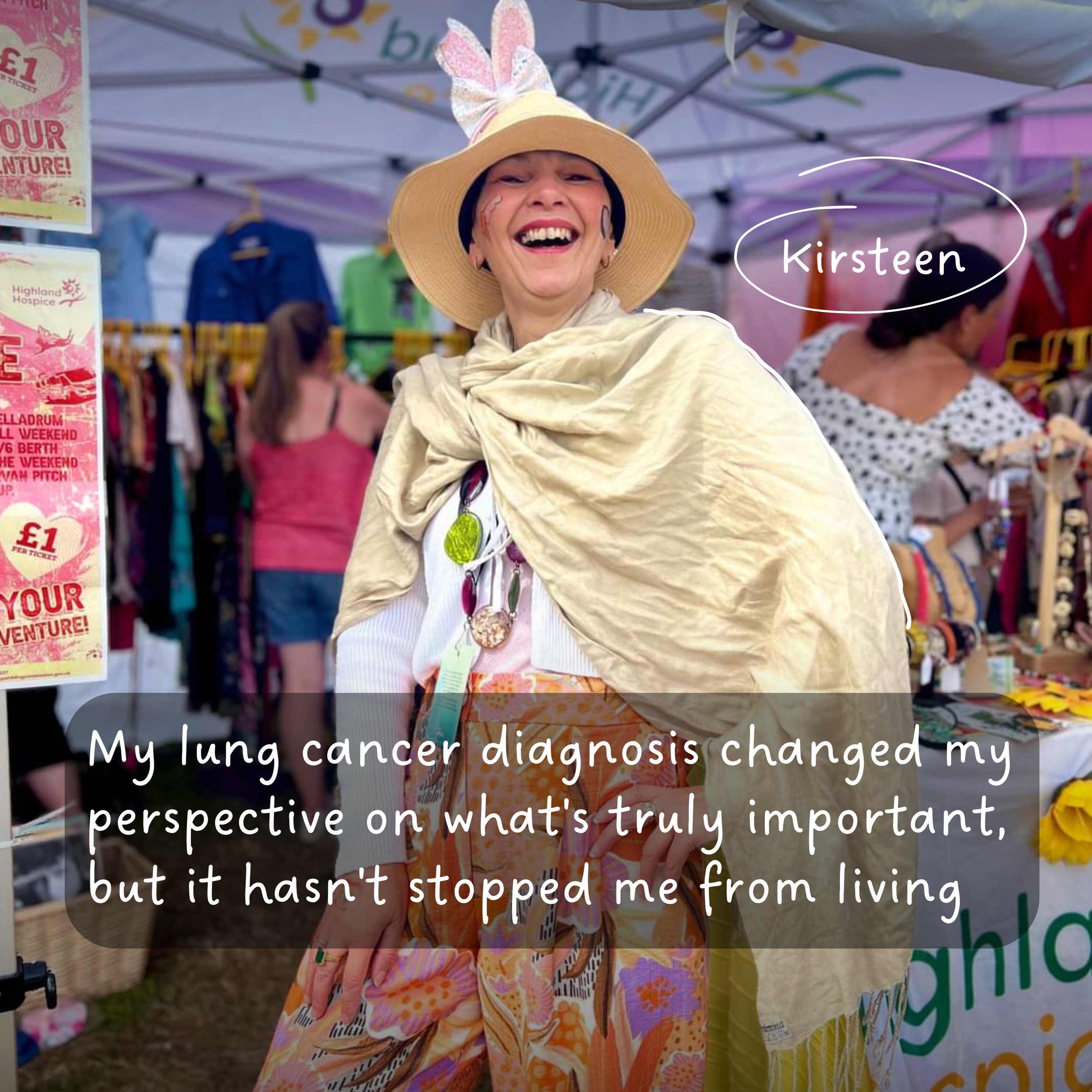
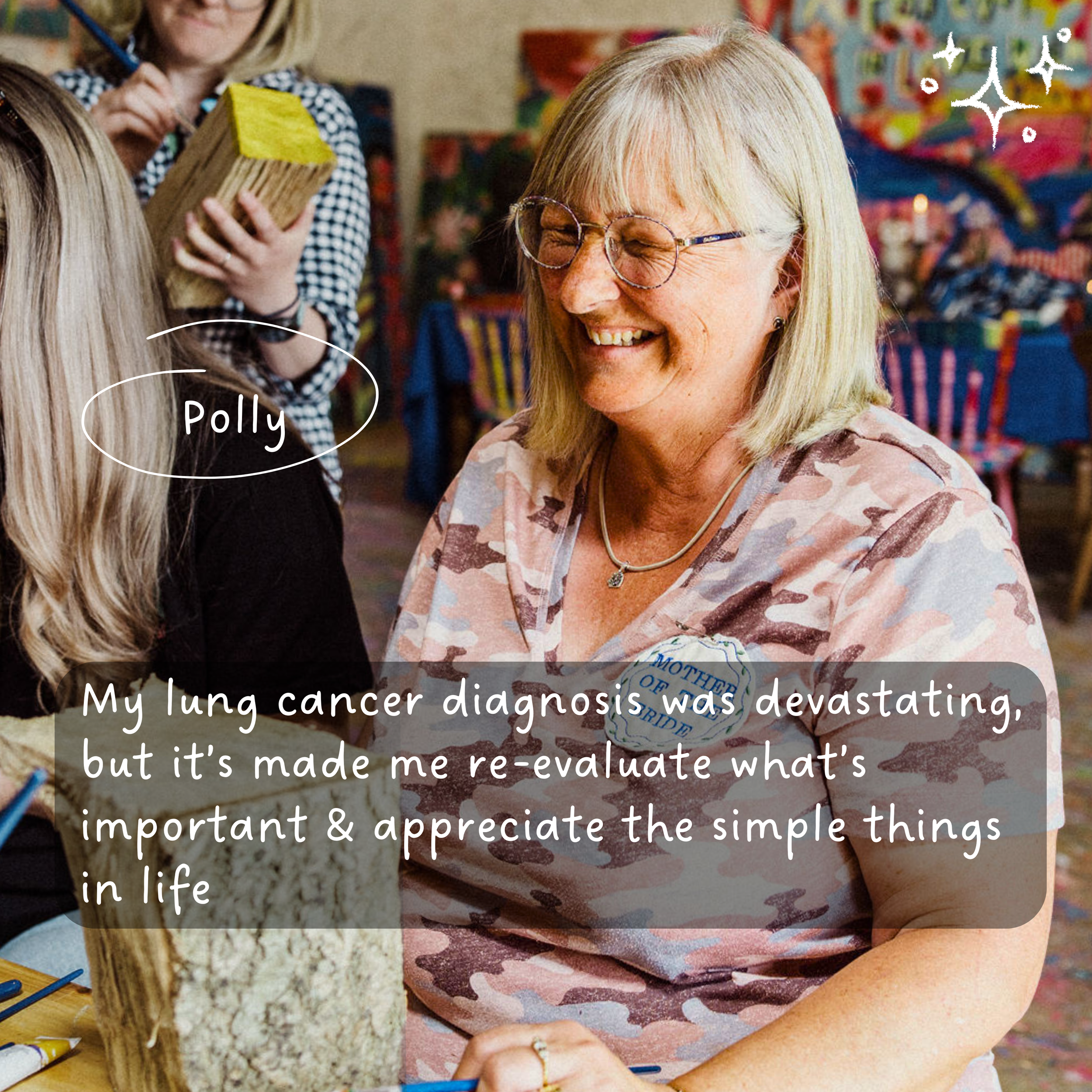
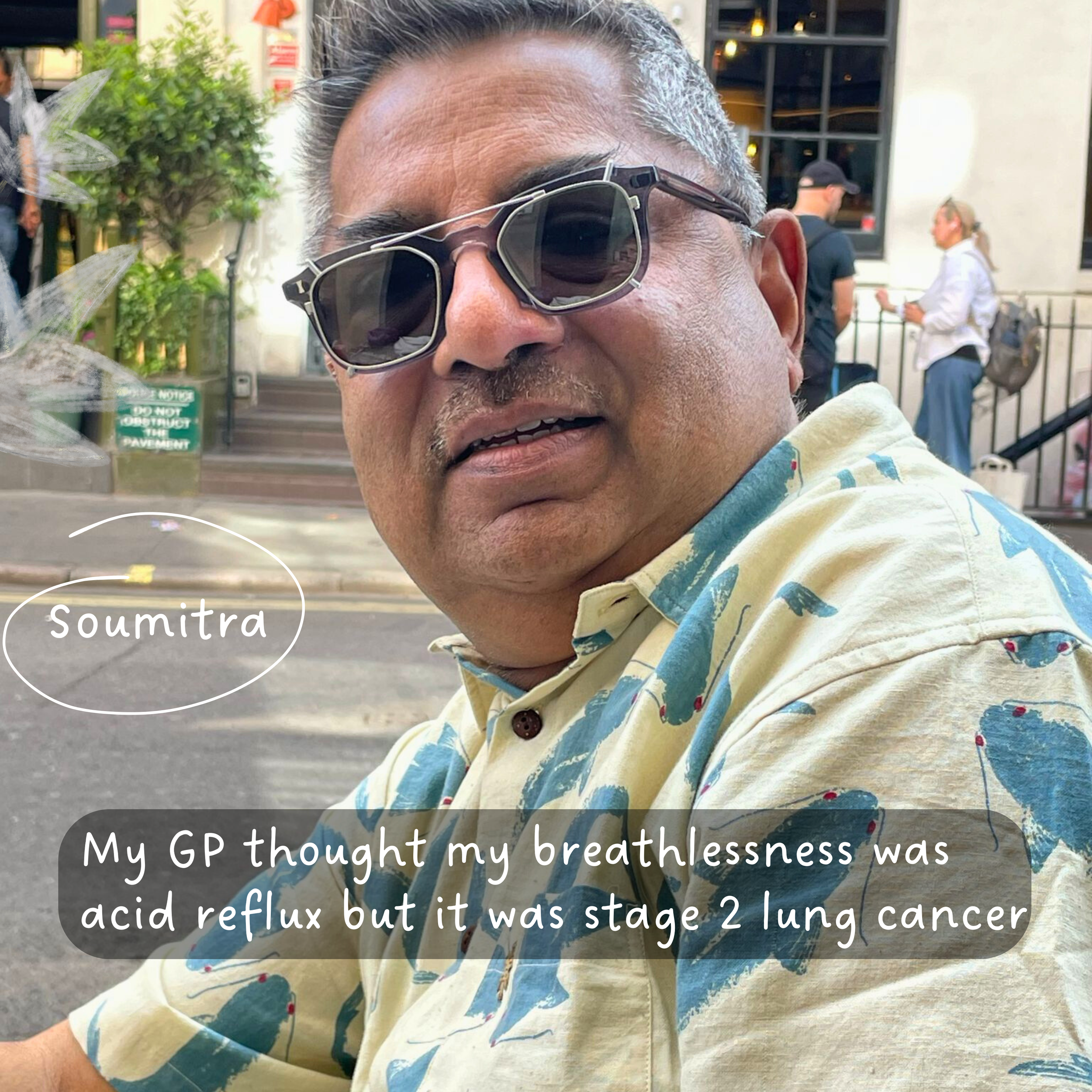
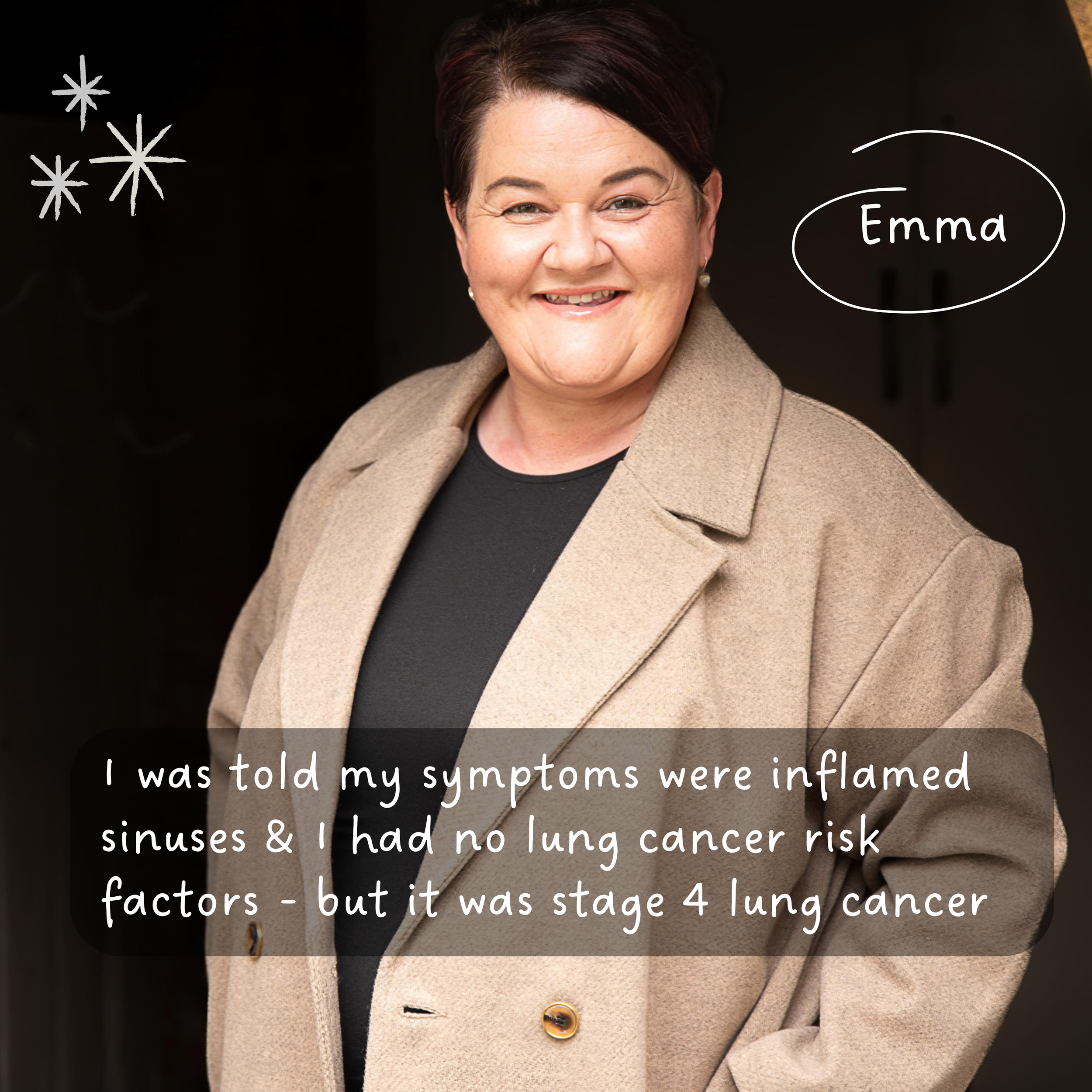
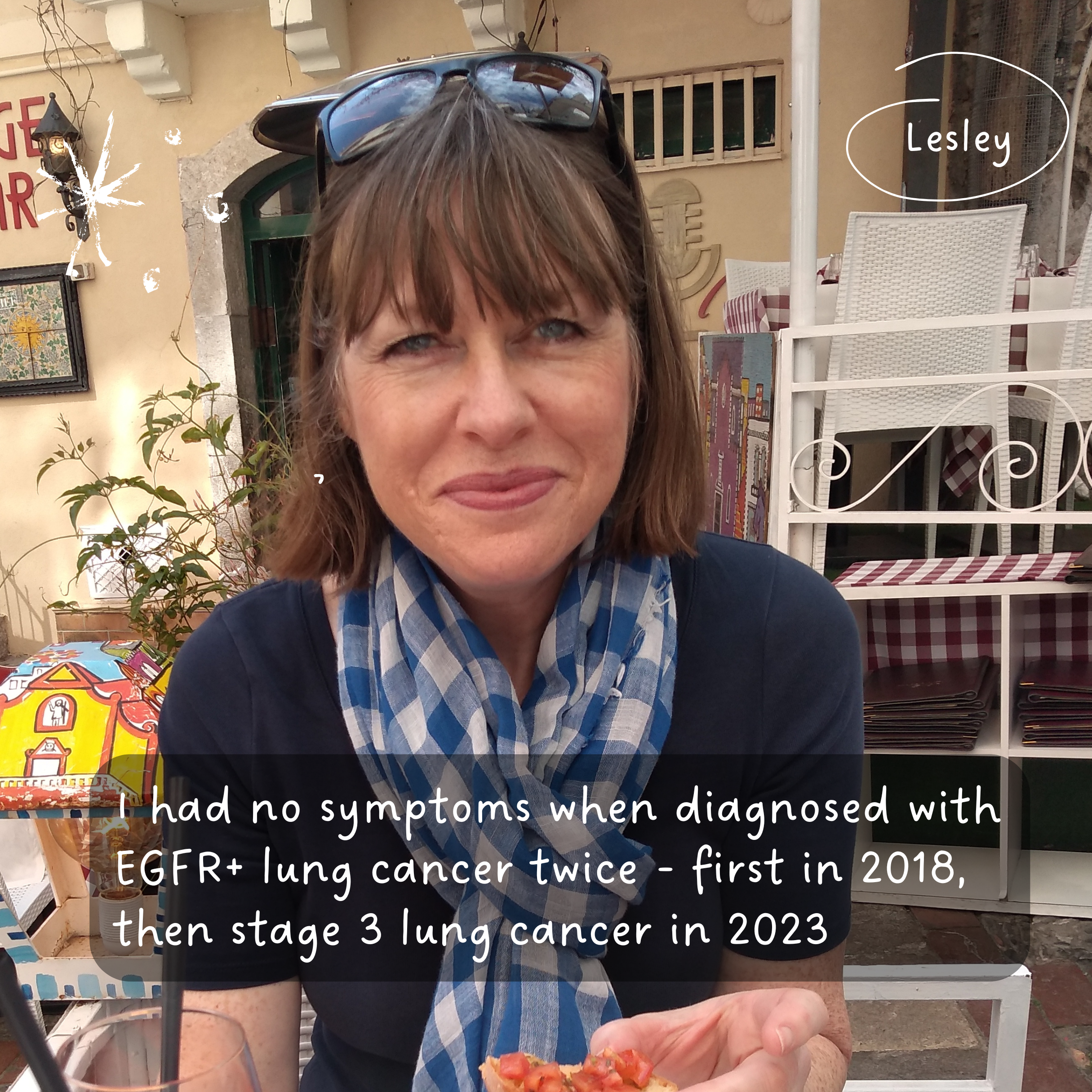
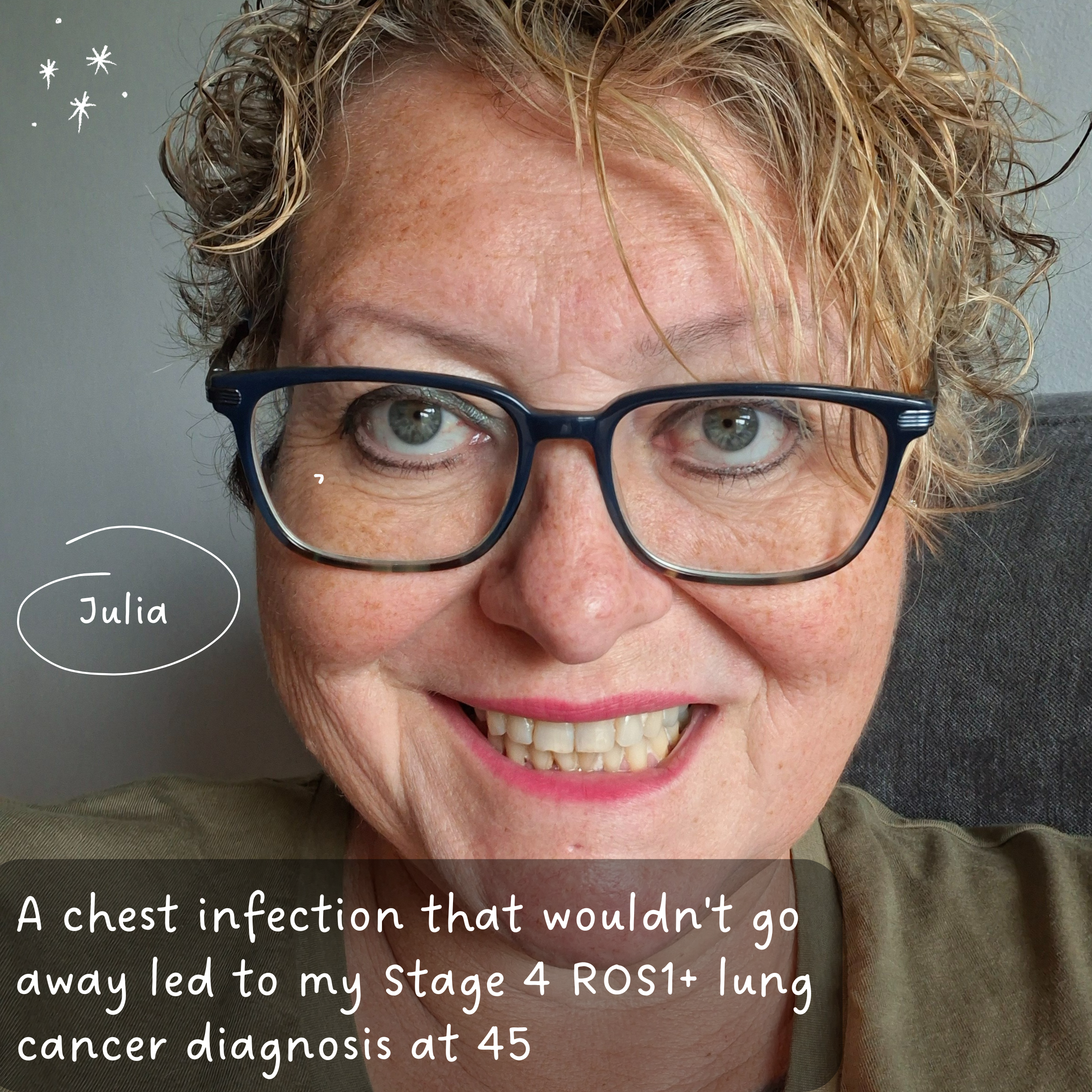
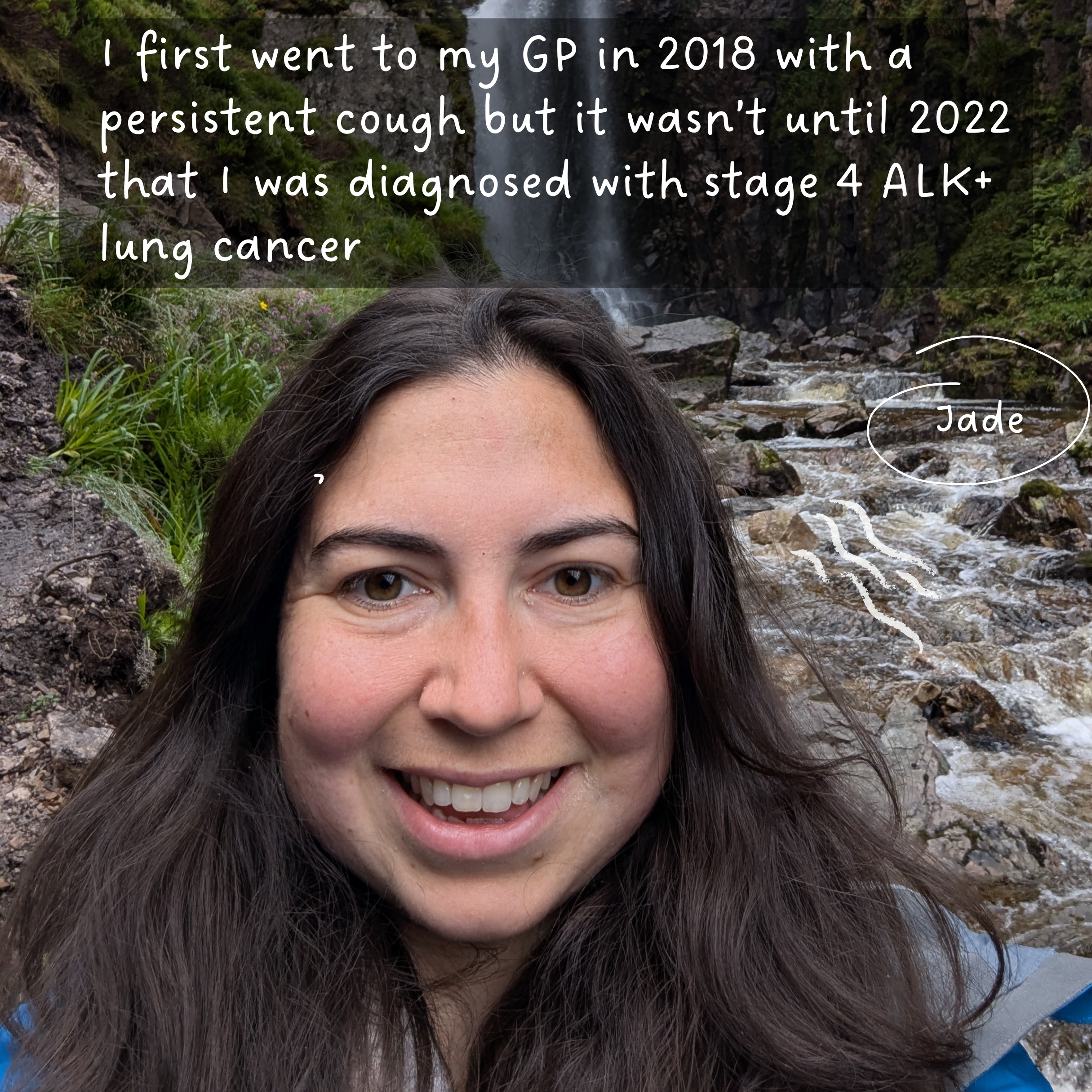
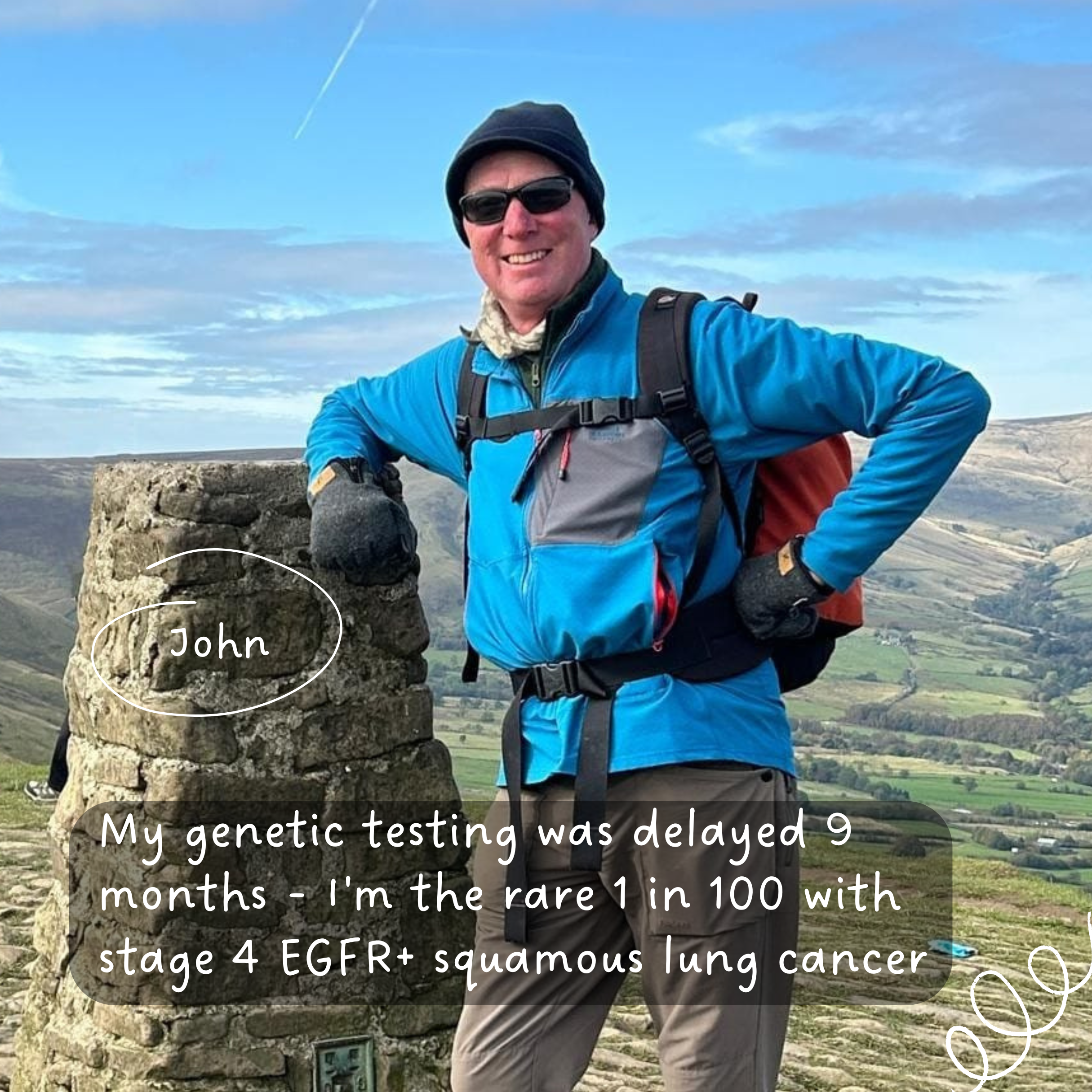
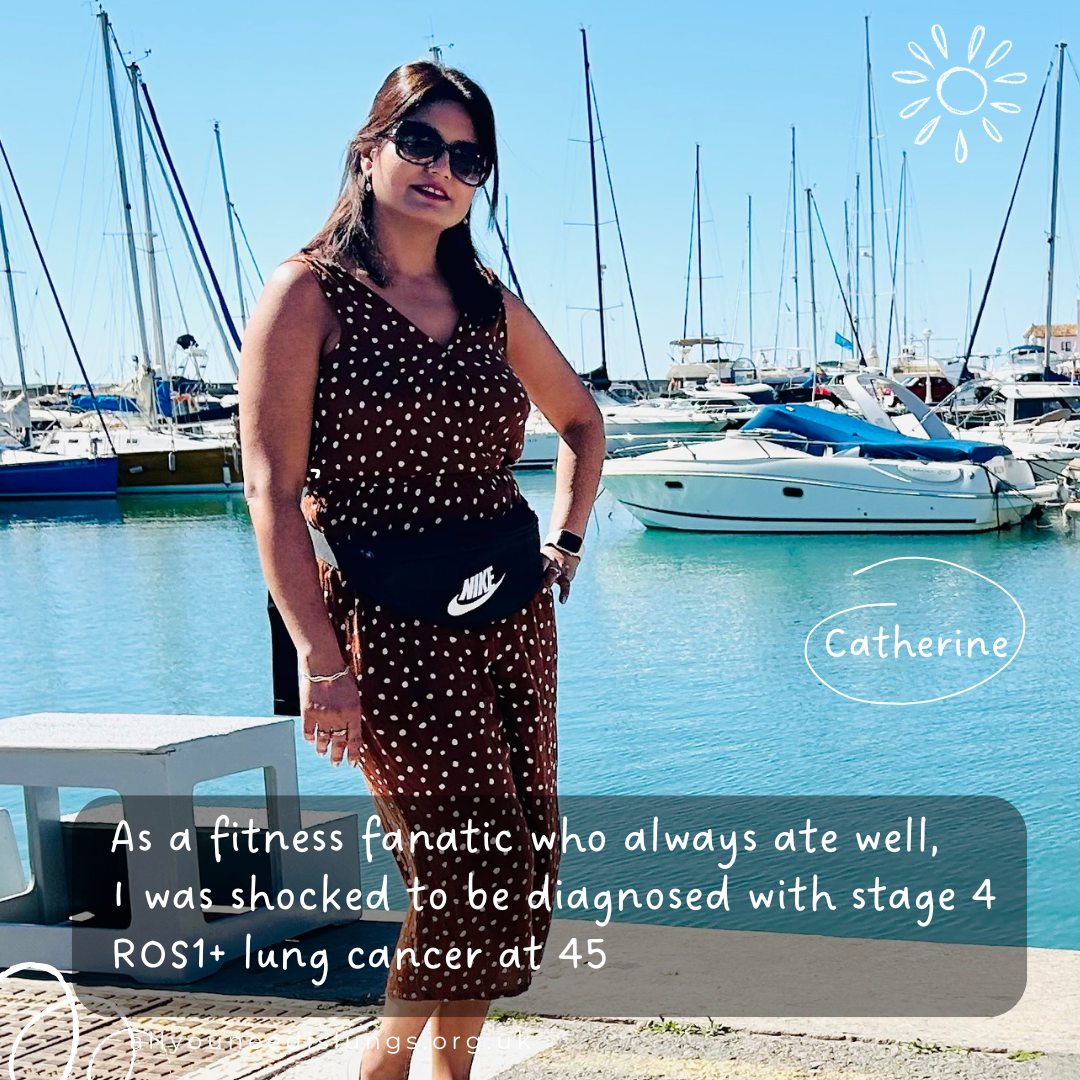
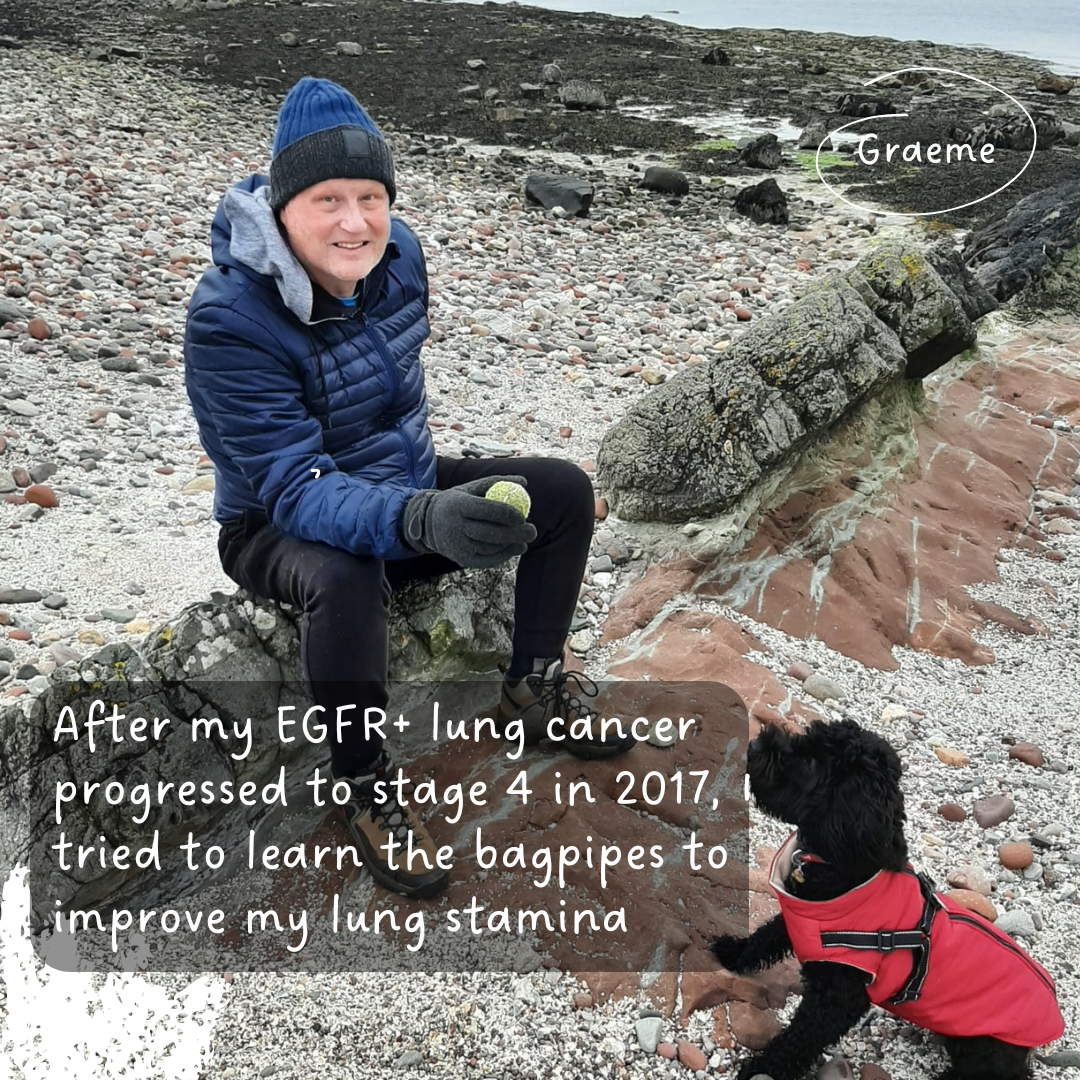
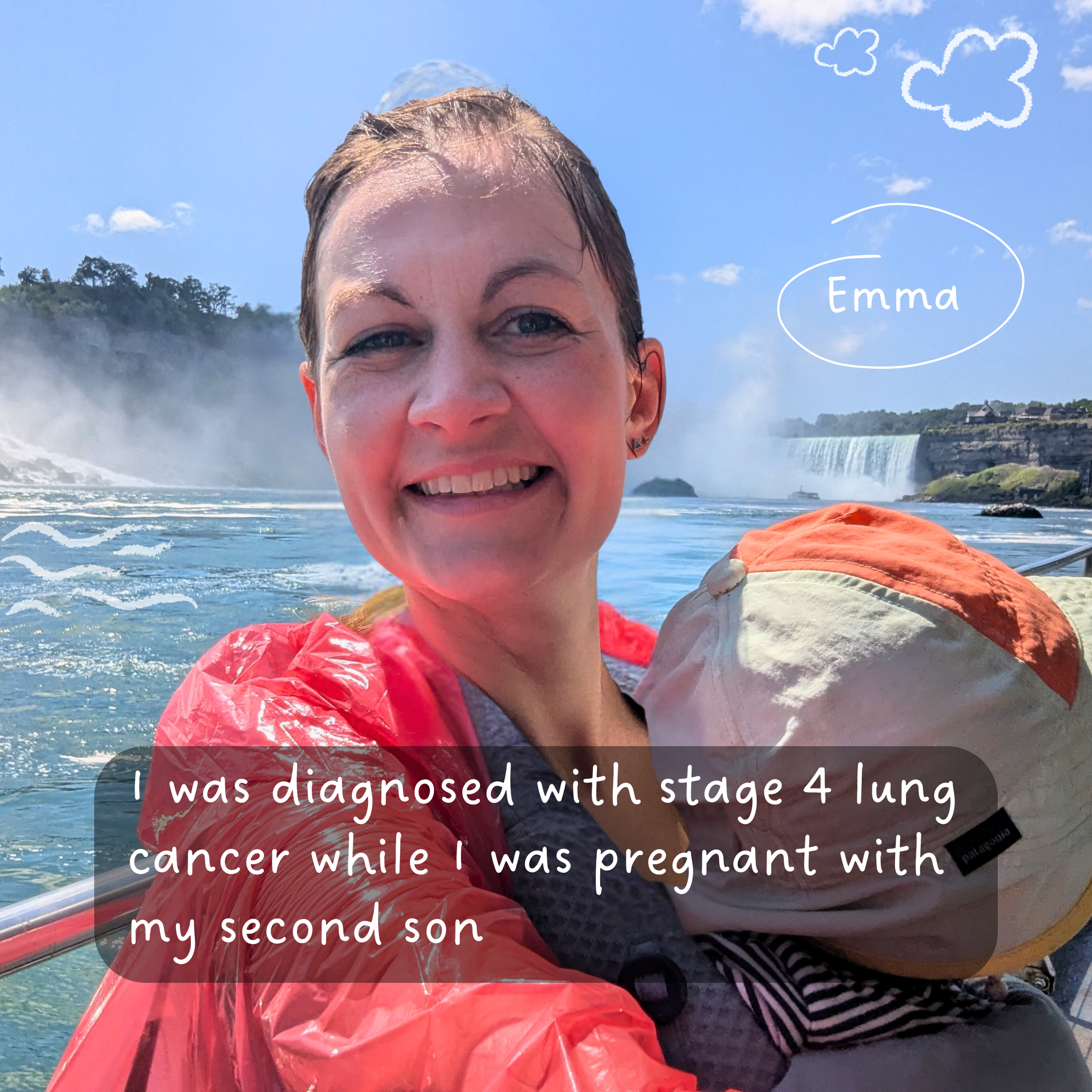
Smoking is the leading cause of lung cancer, but you don't have to smoke to get lung cancer. Around 15% of people diagnosed with lung cancer in the UK have never smoked.¹
-
Especially if lasting more than three weeks. A common first symptom, often dismissed unless it's worsening or changing in character.
-
Repeat courses of antibiotics or infections that fail to fully resolve should raise suspicion, particularly in one lung or lobe.
-
Can be referred pain due to tumour growth or pleural involvement. Especially important when not explained by injury or musculoskeletal strain.
-
Can indicate superior vena cava obstruction - an oncological emergency. Rapid referral is essential.
Know the key signs of lung cancer
-
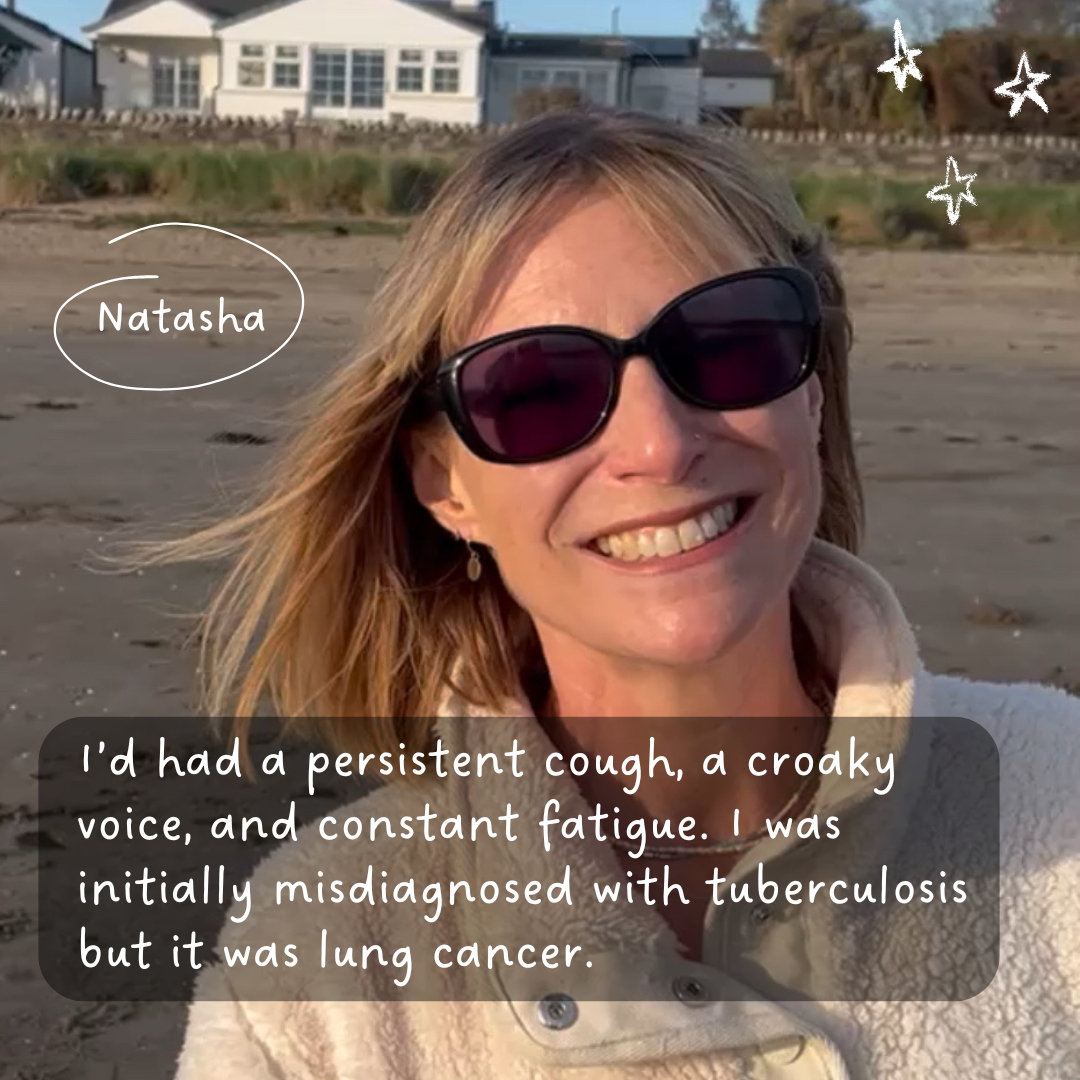
May suggest involvement of the recurrent laryngeal nerve. Persistent hoarseness, particularly with other symptoms, requires further assessment.
-
A non-specific but early symptom. Persistent fatigue with no clear cause should prompt a broader differential.
-
Not always caused by asthma, long COVID, or anxiety. If it’s new, persistent, or unexplained - especially in someone who doesn’t fit the typical lung cancer profile - consider a chest X-ray.
-
May reflect metabolic changes or late-stage disease. Even minor weight changes, if unexplained, should not be ignored.
When should I speak to my GP?
If any of these symptoms are persistent or unexplained, it's worth raising with your GP - even if you don't fit the profile you'd expect. Chances are it's nothing serious, but early investigation gives the best chance of early diagnosis.
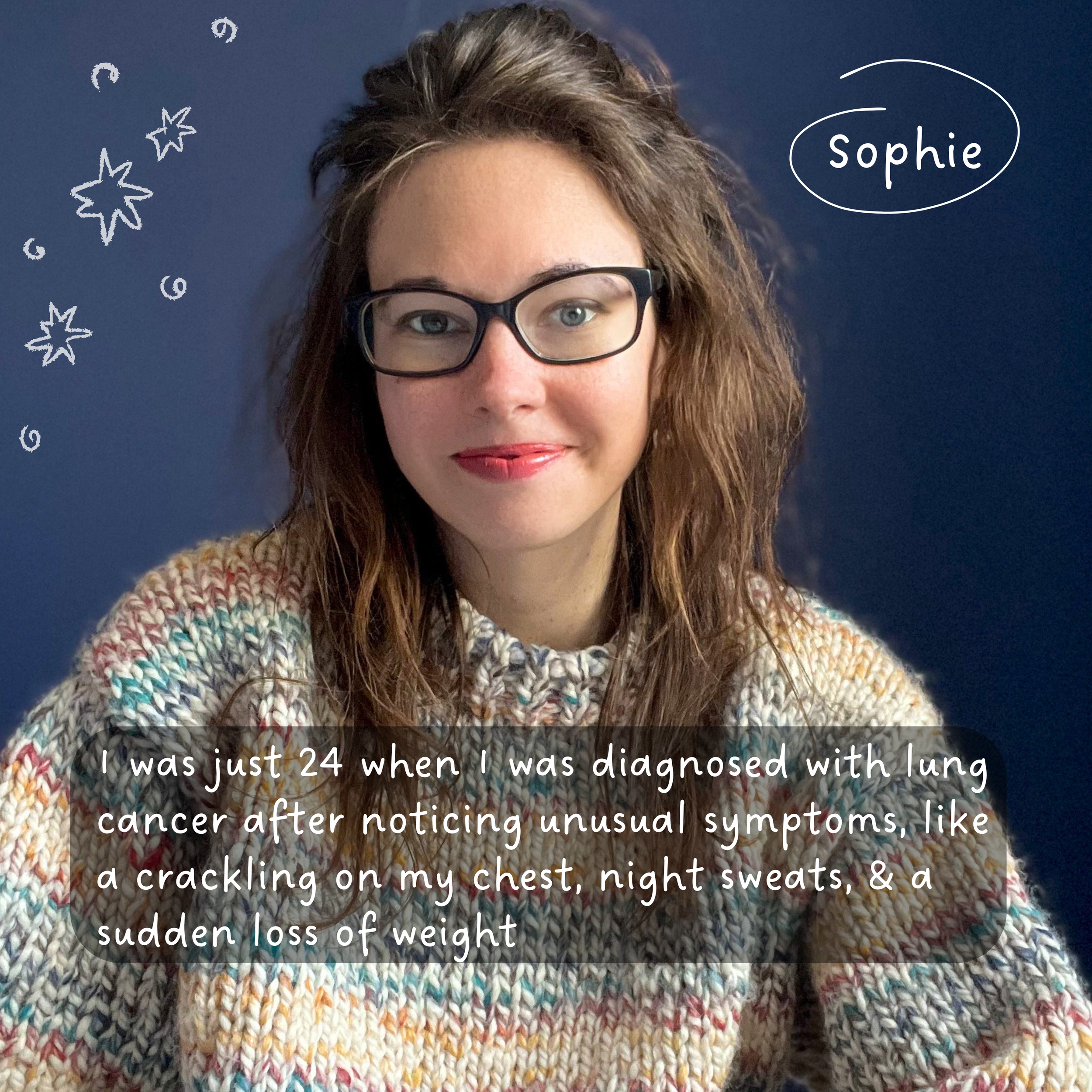
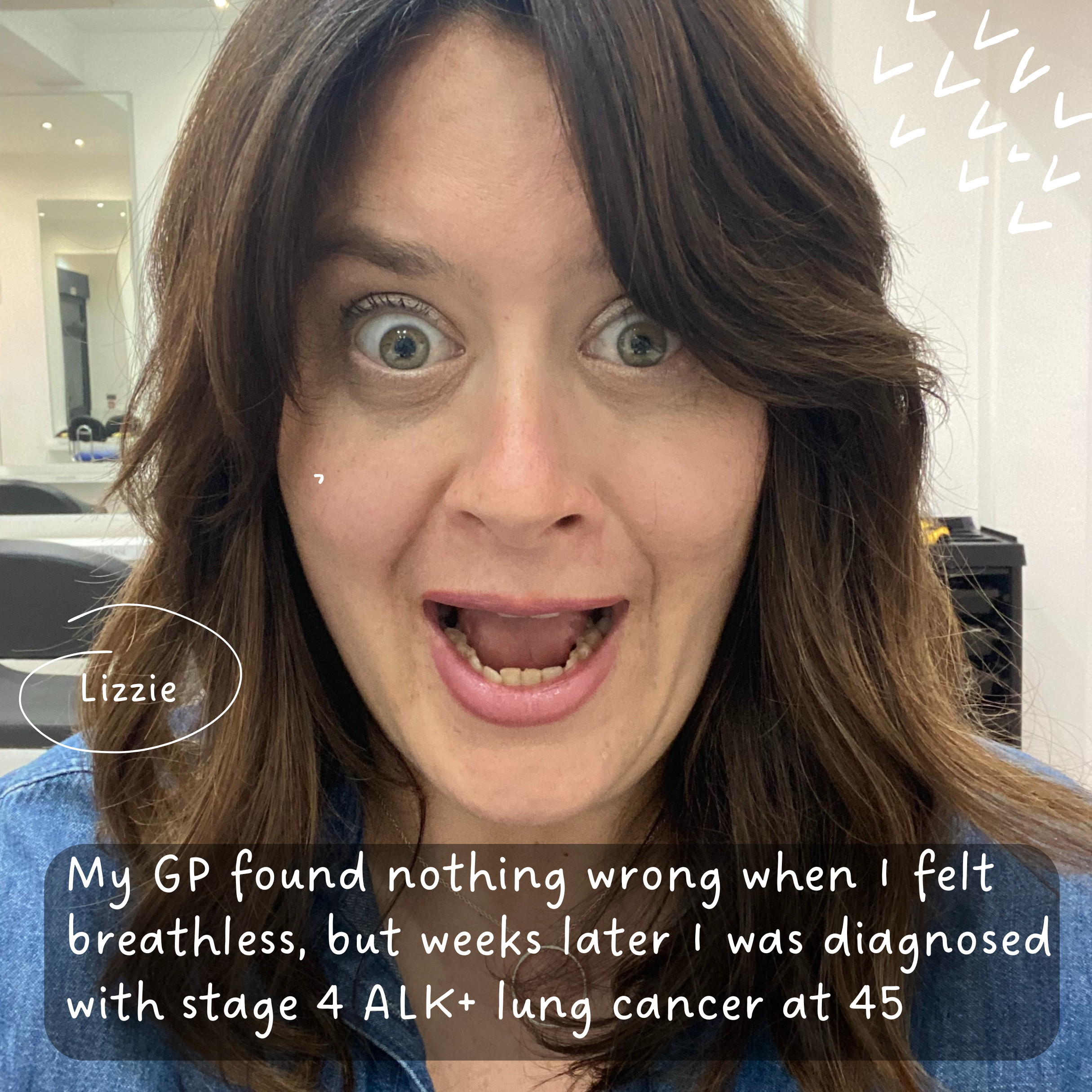
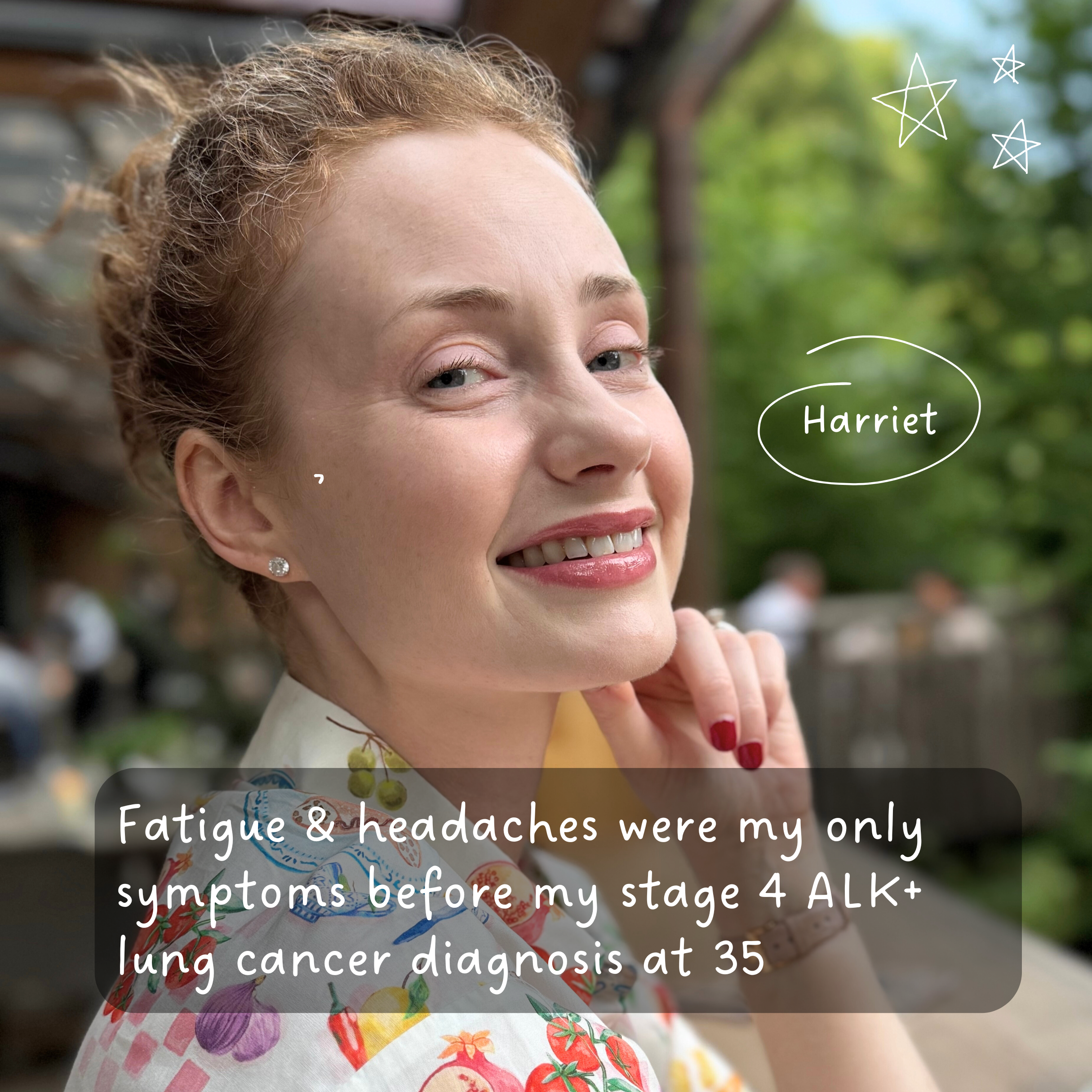
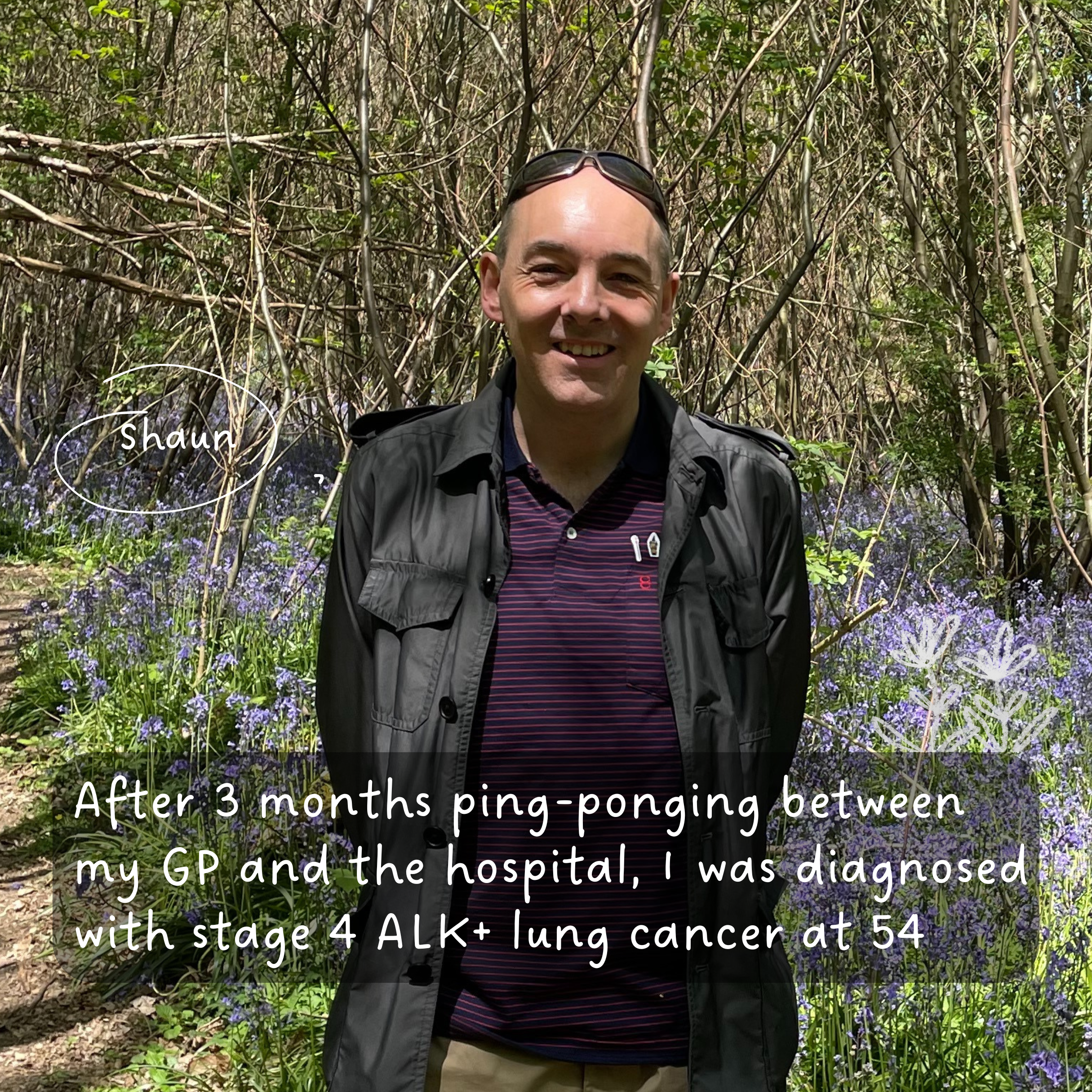
Alongside Our Lungs: Time to Breathe, EGFR Positive Lung Cancer UK also worked with the Ruth Strauss Foundation and ALK Positive UK, to launch All You Need is Lungs in 2023. This campaign aims to raise public awareness that lung cancer can affect anyone, regardless of age or smoking history.
Through real-life stories shared by people affected by lung cancer, this campaign sheds light on the often-subtle symptoms of lung cancer, emphasising the need for timely action and understanding. By highlighting these diverse journeys, the campaign challenges misconceptions and inspires earlier interventions.